
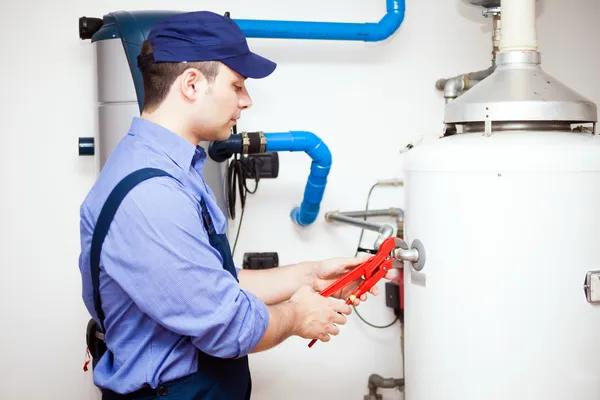
Ensuring reliable water heater installation is essential for achieving long-term performance and maintaining consistent hot water supply in any home or business. A properly installed water heater not only provides comfort but also enhances energy efficiency, reduces the risk of malfunctions, and extends the lifespan of the unit. The process begins with selecting the right type and size of water heater based on household needs, available space, and energy sources. Choosing an undersized or oversized unit can lead to inefficiencies, increased utility bills, or premature wear. Consulting with a professional installer helps determine the most suitable model that meets both current demands and potential future requirements.
Once the appropriate water heater is selected, attention must be given to proper placement within the property. Positioning affects maintenance accessibility, safety considerations such as ventilation for gas units, and compliance with local building codes. Installing a water heater too close to combustible materials or without adequate clearance may pose fire hazards or violate regulations. Additionally, ensuring stable support prevents unnecessary stress on plumbing connections which could cause leaks over time.
The installation procedure involves connecting various components including cold-water inlet pipes, hot-water outlet pipes, pressure relief valves, electrical wiring for electric models or gas lines for pasadena plumber gas-powered units. Each connection requires precise fitting techniques to prevent leaks and ensure safe operation under high temperatures and pressures. Using quality materials like corrosion-resistant fittings contributes significantly to durability.
Proper insulation around pipes minimizes heat loss during distribution from the tank to faucets throughout the building. This not only improves energy efficiency but also maintains consistent temperature levels at points of use. Incorporating thermostats calibrated correctly allows users to control desired temperatures accurately while preventing overheating that might damage internal parts.
Testing after installation is critical before regular use commences; this includes checking for leaks in all joints using pressure tests as well as verifying that safety devices such as temperature-pressure relief valves function correctly under simulated conditions. Any detected issues should be addressed promptly by tightening connections or replacing faulty components before finalizing setup.
Regular maintenance following installation further supports long-term reliability by identifying problems early through periodic inspections and flushing sediment buildup inside tanks which can impair heating elements’ effectiveness over time.
In summary, reliable water heater installation combines careful selection of equipment tailored to specific needs with meticulous adherence to safety standards during setup procedures followed by ongoing upkeep practices designed to optimize performance longevity while safeguarding user comfort and security throughout its operational life cycle.
Service Squad
680 E Colorado Blvd, Suite 180, Pasadena, CA 91101
626-333-6519